The Duty For Adipose Tissue In Weight Restore After Weight-loss
14 Best Ways To Shed Fat Fast
Adults typically keep a reasonably steady variety of fat cells, yet adjustments in body weight can still make the contour look fuller due to the fact that continuing to be fat cells increase the size of. Some resources also note that brand-new fat cells can establish under specific problems, especially with sustained excess calorie intake in time. We evaluated whether HCH and CCH adipocytes displayed transcriptional differences. Neither the previous transcriptional standing nor the transcriptional memory at the HC time point described the transcriptional deregulation observed in adipocytes from HCH mice (Fig. 5j). Further evaluation disclosed that several DEGs in the HCH group were changed throughout obesity yet recuperated after WL in HC mice.
We metabolize fat by breaking the bonds in between the hydrogen, carbon and oxygen that make up a fat cell, setting the stored-up power free. Fat Freezing Treatments On top of that, the body is still in a recuperation phase after diet programs. Cravings hormonal agents continue to be high, metabolism stays slightly reduced, and psychological tiredness from constraint sets in. You hunger for a lot more food and feel less completely satisfied by the same sections. Gradually, consuming returns to old patterns, frequently without realising it.
Find Your Preferred Workout
F, Genetics counts and the variety of UMIs per designated cell key in the omAT samples from the MTSS (left) and LTSS (right) research. G, Gene counts and the variety of UMIs per appointed cell enter the scAT examples from the LTSS (left) and NEFA (right) research study. Raw gene and promoter/enhancer-specific top count matrices were log-normalized utilizing the R package EdgeR. PCA of the normalized count matrices was carried out making use of the prcomp function of R bundle stats v. 3.6.2.
We after that asked whether this persistent memory topped fully grown adipocytes to respond in a different way to nutritional stimuli than non-primed controls. We collected fully grown epiAT and ingAT adipocytes from WL and control mice, cultured them for 48 h and after that evaluated glucose and palmitate uptake. Adipocytes from WL epiAT revealed raised glucose and palmitate uptake compared with controls (Fig. 5a, b). IngAT adipocytes from HHC mice displayed dramatically boosted glucose uptake compared to controls, and for HC adipocytes we observed a trend in the direction of an increased uptake (Extended Data Fig. 10a).Extended Data Fig 10 Other Actions Of Primed Mice And Cells To Obesogenic Stimuli
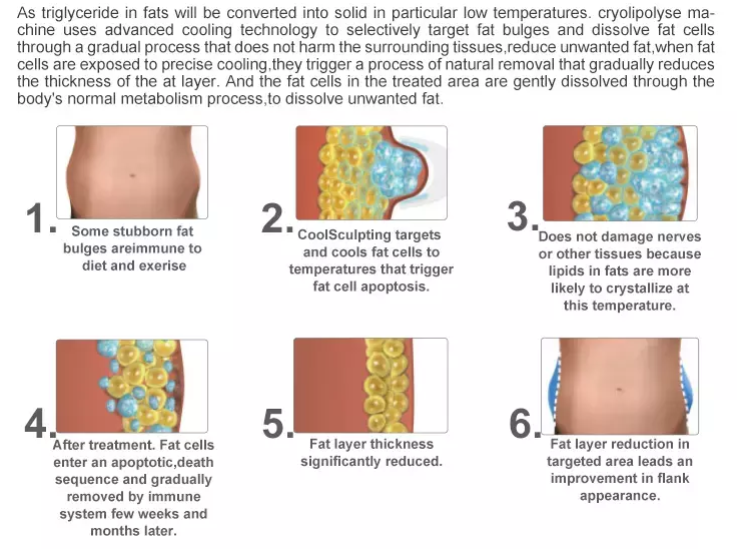
Value in between T0 and T1 for e-f was determined using combined multiple Wilcoxon tests with Benjamini, Krieger and Yekutieli message hoc examination for several comparisons. A, b, Cluster markers utilized for annotating cell collections in human omAT of the MTSS (left) and LTSS (right) research. C, d, UMAP visualization representing omAT pools from the MTSS study (c) and LTSS study (d) coloured by anticipated cell subtypes from the Emont et al. visceral AT dataset from White people. Attribute stories revealing referral mapping scores illustrating exactly how well omAT dataset maps to the Emont et al. dataset.Even if some treated fat cells are removed from the area, remaining fat cells still exist neighboring and in neglected locations. Those cells can still increase the size of later if an individual experiences weight gain. Depending on the modern technology, both principles might be reviewed, yet many preferred therapies are specifically made to ensure that fat cells die with managed injury. In cryolipolysis, for instance, exposure to cold can set off fat cell fatality without harming most surrounding cells. If you have struggled with persistent, ongoing weight gain, you comprehend the obstacle of taming the fat cell!
- Complying with paraffin embedding, tissues were sent out to the pathology service centre at Instituto Murciano de Investigación Biosanitaria Virgen de la Arrixaca for sectioning, trichrome discoloration, haematoxylin and eosin staining, and imaging.
- Weight-loss results in a decrease in size of adipocytes and this decrease in dimension changes their metabolic and inflammatory attributes in a way that facilitates the clearance and storage of ingested energy.
- Techniques relying on behavioral and dietary adjustments frequently just lead to short-term WL and are vulnerable to the 'yo-yo' impact, in which individuals regain weight over time3,5,6.
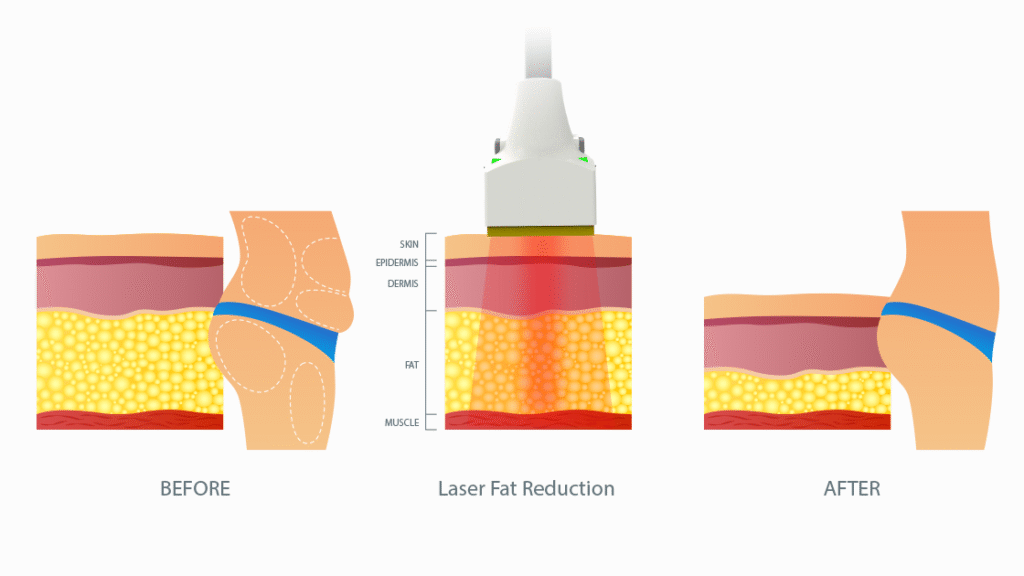
- Because non-surgical fat decrease therapies differ widely in device, they may be executed by a clinical aesthetician, registered nurse, or plastic surgeon.